Kabels en leidingen vormen een belangrijk onderdeel van onze infrastructuur en energienetwerken. Om schade door stroming, scheepvaart of mechanische belasting te voorkomen, is een goede bescherming onder water essentieel. Van den Herik verzorgt het afdekken of herstellen van de beschermlaag.
Op zee
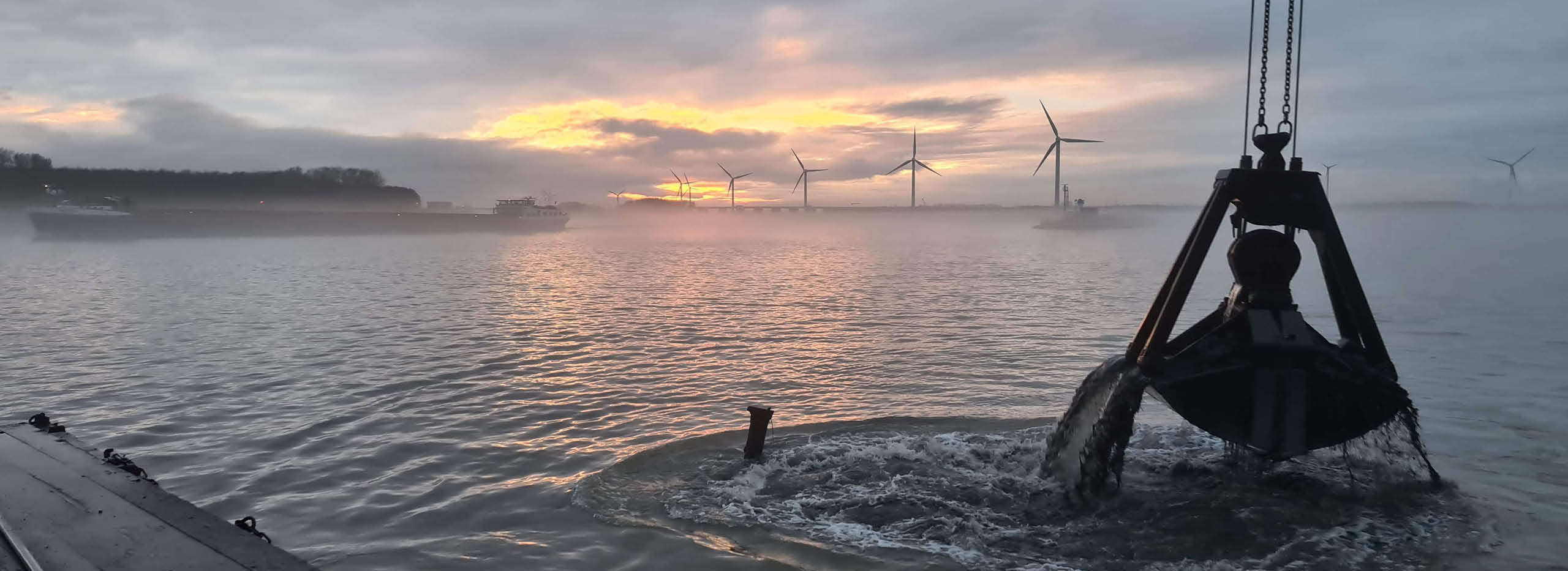
Op zee beschermen we kabels en leidingen door ze af te dekken met een beschermende laag. Op de Waddenzee gebeurt dit meestal met zand en klei. In andere gebieden passen we daarnaast stortsteen of betonblokkenmatten toe voor extra bescherming. Onze hoppers storten het zand via de bodemdeuren nauwkeurig over het tracé van de kabel of leiding. Ook voeren we regelmatig backfilling uit. Daarbij vullen we ontstane kuilen of sleuven zeer precies op door zand met de zuigbuis van onze baggerschepen terug te storten op de juiste locatie.
Onze hoppers zijn door hun geringe diepgang van circa zes meter en hun grote laadvermogen zeer geschikt voor werkzaamheden dicht langs de kust. Dankzij roerpropellers kunnen ze bovendien goed manoeuvreren.
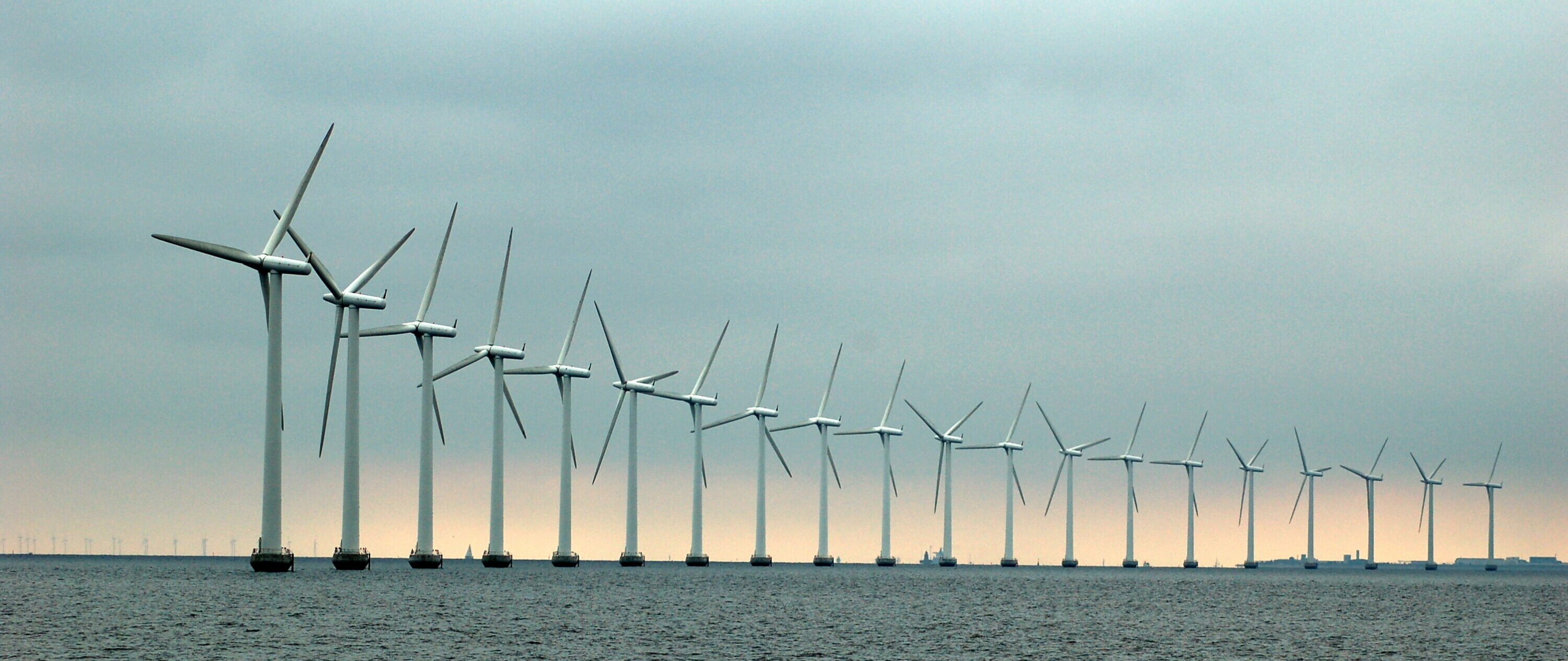
Onze schepen zijn zeer wendbaar en kunnen goed manoeuvreren in windmolenparken.
Working in shallow water
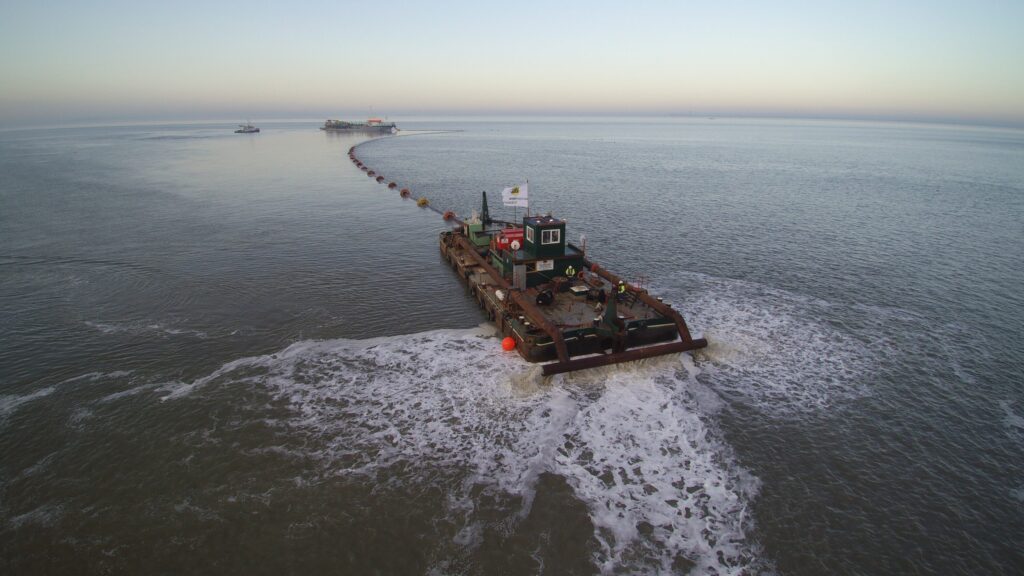
If an area is too shallow to reach with a hopper, we deploy a spray pontoon. The sand is then transported from the hopper to the pontoon via a floating pipeline and applied to the desired location from there.
Such an arrangement with the Herik 33 as a spray pontoon and the T.S.H.D. Charlock in the background is shown here. They are at work in the Ems channel.
On inland waterways
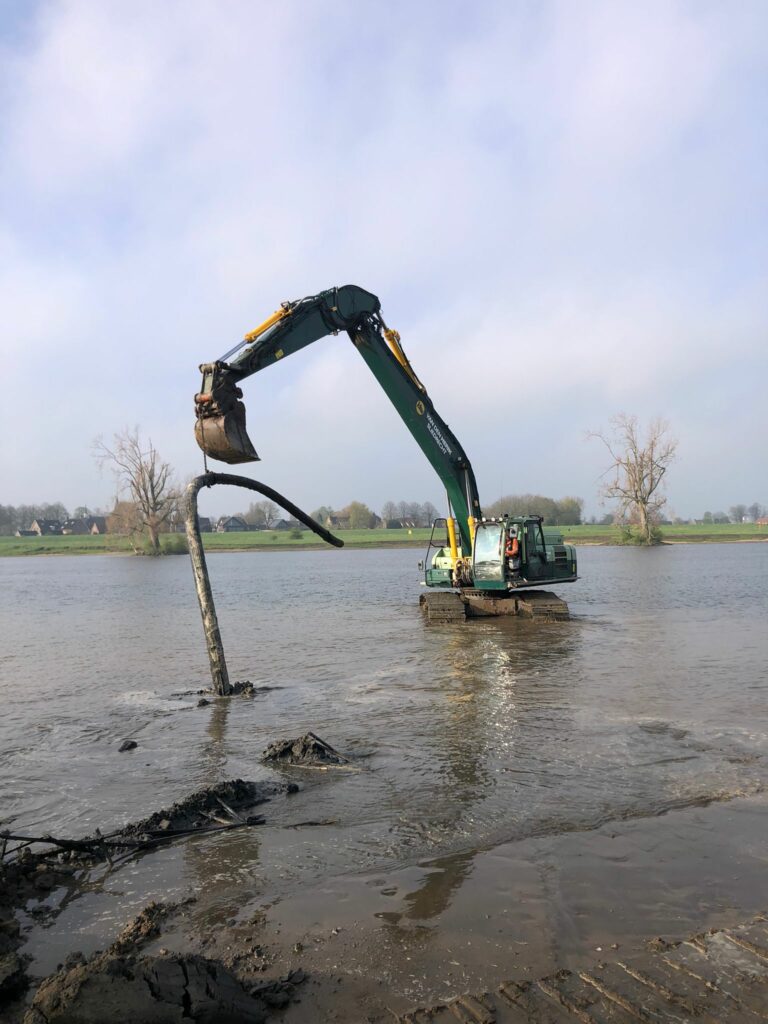
In rivers and canals, we regularly install culverts for cables and pipes, for example at bridges and locks. To do this, we first dredge a trench into which the pipe is immersed. Then we cover the culvert with sand, stone or concrete block mats. We also remove cables and pipes that are no longer in use.
Restoration of existing culvert structures
One example is the restoration of the Hemelbeek culvert in cooperation with Van Vulpen under the Juliana Canal near Elsloo. This approximately one hundred meter long concrete structure from the 1930s provides drainage for the Hemelbeek and acts as a conduit for pipes from industrial complex Chemelot. In connection with the widening of the canal, the construction was modified and reinforced so that it can once again function safely for decades.
Our seagoing hopper dredgers the Charlock and the Christophorus are ideally suited for dredging and replenishment work close to the coast due to their limited draft and maneuverability.