


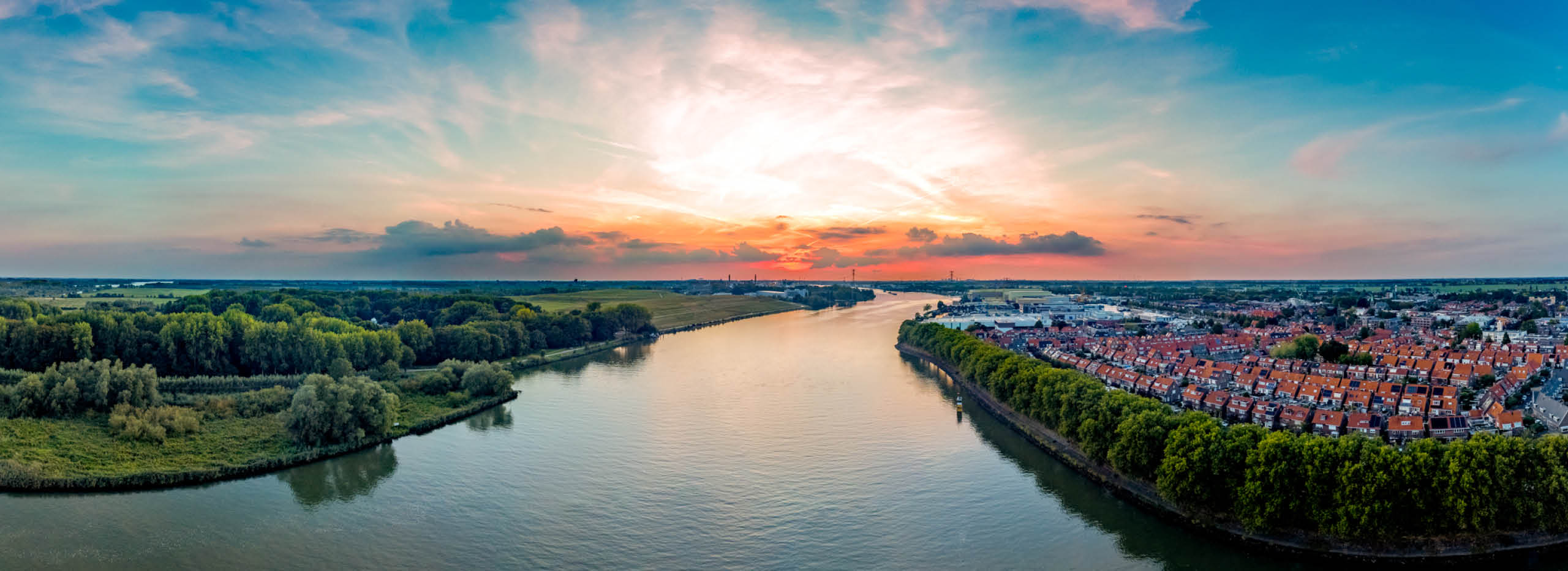
MULTI-YEAR MAINTENANCE OF WATERWAYS ZUID-HOLLAND AWARDED TO VAN DEN HERIK-SLIEDRECHT
Rijkswaterstaat is awarding the maintenance and monitoring of the waterway bottoms in South Holland to Van den Herik-Sliedrecht for the next 5 years. Dredging is an important activity within this contract. Van den Herik’s approach to reducing CO2 emissions was the deciding factor in awarding this contract.
Start of work
The acreage includes a number of important international transport routes for shipping. Some of the waterways are busy and operated at high speeds. From July 1, 2024, Van den Herik will start keeping these shipping channels at the right depth. The contract also includes the maintenance of 7 locks within South Holland.
Scope
This performance contract includes maintaining the depth of the Oude Maas shipping channels (upstream from the Spijkenisse Bridge), the Dordtse Kil and Hollands Diep including the Moerdijk crossing. Also included in this contract are keeping the main shipping lanes Nieuwe Maas, Upper and New Merwede, the North and main shipping lanes Bergsche Maas, Lek, Amer, Hollandse IJssel and other shipping lanes Zuiddiepje, Wantij and nature reserve Brabantse- and Zuid-Hollandse Biesbosch in West-Nederland South (South Holland). Finally, seven locks such as the Volkerak locks and the Algera lock also need to be maintained.
”It is very important for smooth and safe navigation that our waterways remain at depth and our locks function properly. Therefore, we are pleased to have a professional partner like Van den Herik who will perform this important work for us.”
Maarten Janknegt | Project Manager Rijkswaterstaat
Rijkswaterstaat contracts maintenance of Amsterdam-Rhine Canal to Combination BAM and Van den Herik.
Home game for company from the ‘dredging village‘
For the all-round hydraulic engineering company of Sliedrecht origin, this work is a home game. The family business, founded in 1946, specializes in, among other things, dredging work. Van den Herik has had its headquarters and its own harbor on the banks of the Beneden Merwede since 1986.
Environmental Cost Indicator (EQI)
Rijkswaterstaat wants to minimize its CO2 emissions and the impact the emissions have. The goal is to work in a climate-neutral way by 2030. The MKI is an important instrument for this. For this maintenance contract, too, the MKI proved to be a decisive factor. RWS uses the environmental cost indicator to calculate the environmental impact of infrastructure works. The lower the value, the lower the environmental impact and the greater the contribution to CO2 reduction.
For each dredging section and type of soil, Van den Herik carefully considered which piece of equipment could do the job with the least emissions, which resulted in a special mix of equipment. In this project, maritime shipping (hoppers) and inland shipping (crane ships) came together to complete this beautiful job.
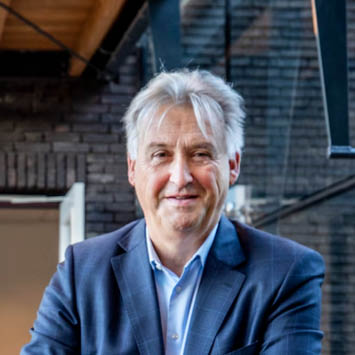
“We like the task of getting and keeping our ‘own backyard’ that we frequently use with our fleet in top condition.”
Jan Huijbers | Director Van den Herik-Sliedrecht
