If preliminary (historical) research indicates that explosive remnants of war (OO) from World War II may have been left in the soil, this must be investigated further before starting any earth-moving work, such as construction or drilling. Any unexploded bombs, such as aircraft bombs or other explosives, should be located, approached and removed.
Our (senior) experts from the Explosive Remnants of War Detection Department detect unexploded remnants of war through soil detection. Van den Herik’s expertise includes detection both on land and under water, and even in built-up areas using our UXOscope. The environment, soil structure, water depth and the depth at which we expect to find the explosives determine the method of detection. We therefore start with a thorough investigation plan in which we consider all these factors in order to arrive at the best investigation method.
Possible detection methods
Together with our clients, we always search for the most appropriate and safe method for each detection issue. This is determined by the characteristics of the area to be detected. Possible ways of working, are:
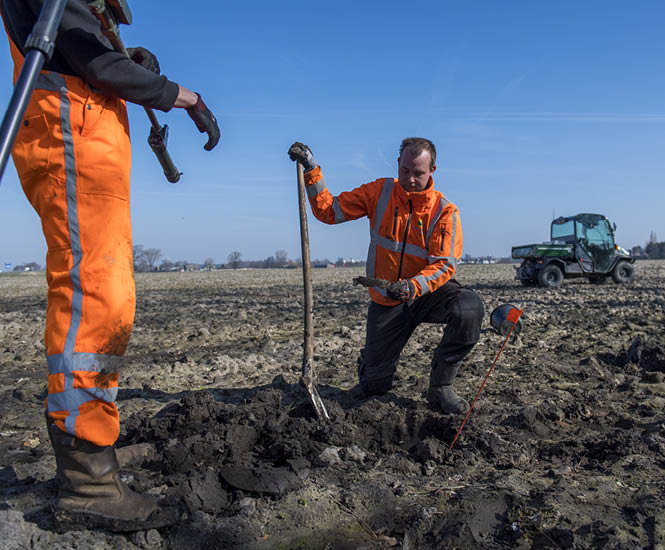
Surface DetectionUsing metal detector, magnetometer and/or radar detection
Depth detectionwith a pressure setting, also suitable for detection in the water bottom
UXOscopedetection under buildings, airports, roads, railroads, etc.
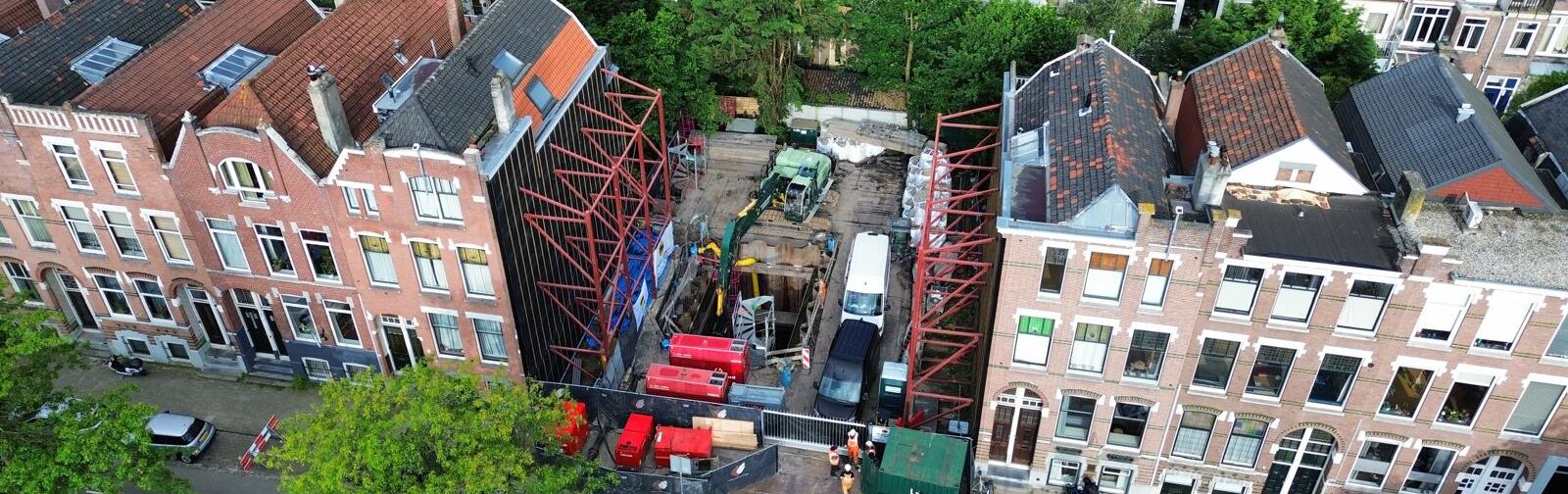
For example, we detected unexploded remnants of war in the busy Zwolsestraat in the municipality of The Hague. There was limited space available to perform the necessary depth detection. The deployment of a regular pressure rig would lead to much inconvenience. So we deployed our mini pressure counter. In this way, traffic was hindered as little as possible during the detection work.
Approach and secure
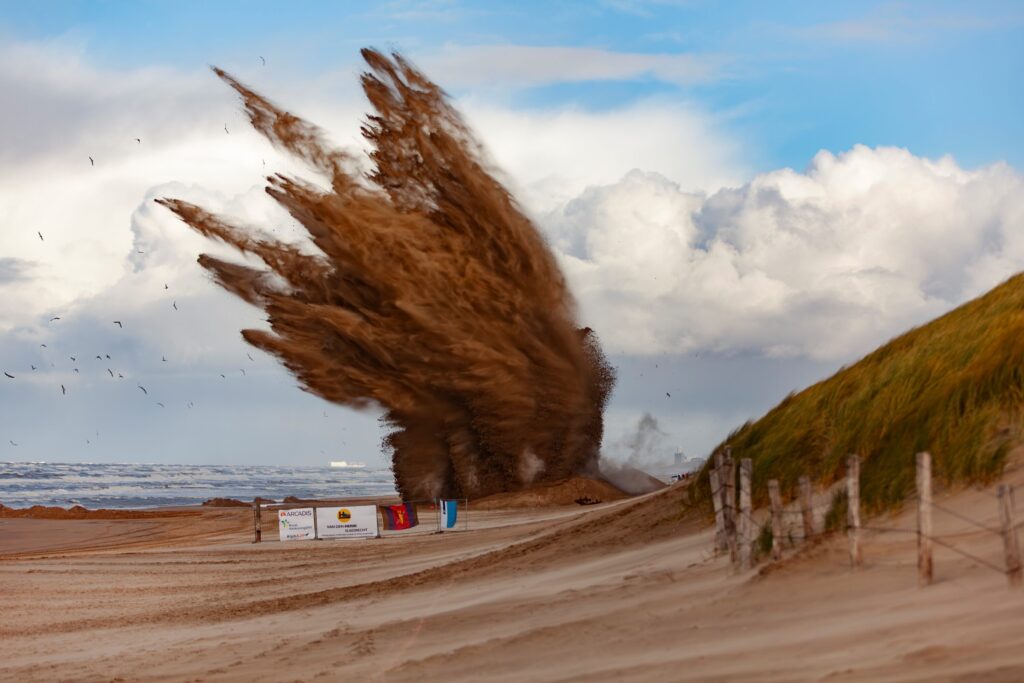
Na zorgvuldige interpretatie van alle detectiedata houden we objecten over die mogelijk ontplofbare oorlogsresten zijn. Die benaderen we zorgvuldig. Indien mogelijk verwijderen we ze direct en stellen ze veilig in een speciale unit. Soms kan een object niet worden verplaatst, vanwege de complexe ligging of het risico op ontploffing, detonatie of deflagratie.
Het team, onder leiding van een senior deskundige van de afdeling, treft dan direct noodzakelijke maatregelen om de omgeving veilig te houden. Als ontplofbare oorlogsresten gevonden en geïdentificeerd zijn, worden ze overgedragen aan de Explosieven Opruimingsdienst Defensie (EODD). Die is in Nederland verantwoordelijk voor het ruimen en vernietigen van dit soort objecten.
The UXOscope provides the unique ability to combine horizontal directional drilling in suspect areas with detection of explosive remnants of war. This makes it possible to efficiently drill under buildings or rivers, busy traffic roads and near pipelines that are difficult to reach from the ground surface.
As a hydraulic contractor, dredging is one of our areas of expertise. We have pieces of equipment that allow us to separate objects from soil/soil during our dredging work. Thus, we can excellently combine our dredging work with securing explosive remnants of war and vice versa.
The bottom of the Winterhafen in Mainz, Germany, needed to be deepened. But there were potentially explosive remnants of war lying there. Especially for this kind of specialized dredging work, we developed a secure sieve. We place it on the dredger. The experts from the Detection of Explosive Remains of War department sit with their noses on the sieve. But behind a five-centimeter thick bulletproof lexan window. In this way, they continuously keep a safe eye on what lands on the sieve.
We safely extracted and secured leftover explosives and ammunition from dredged material in Mainz. In addition to ammunition, parts of detonators and drop weights from incendiary bombs, we found many other items. For example, a bayonet from World War I, old coins and even a carnival emblem from 1934.